
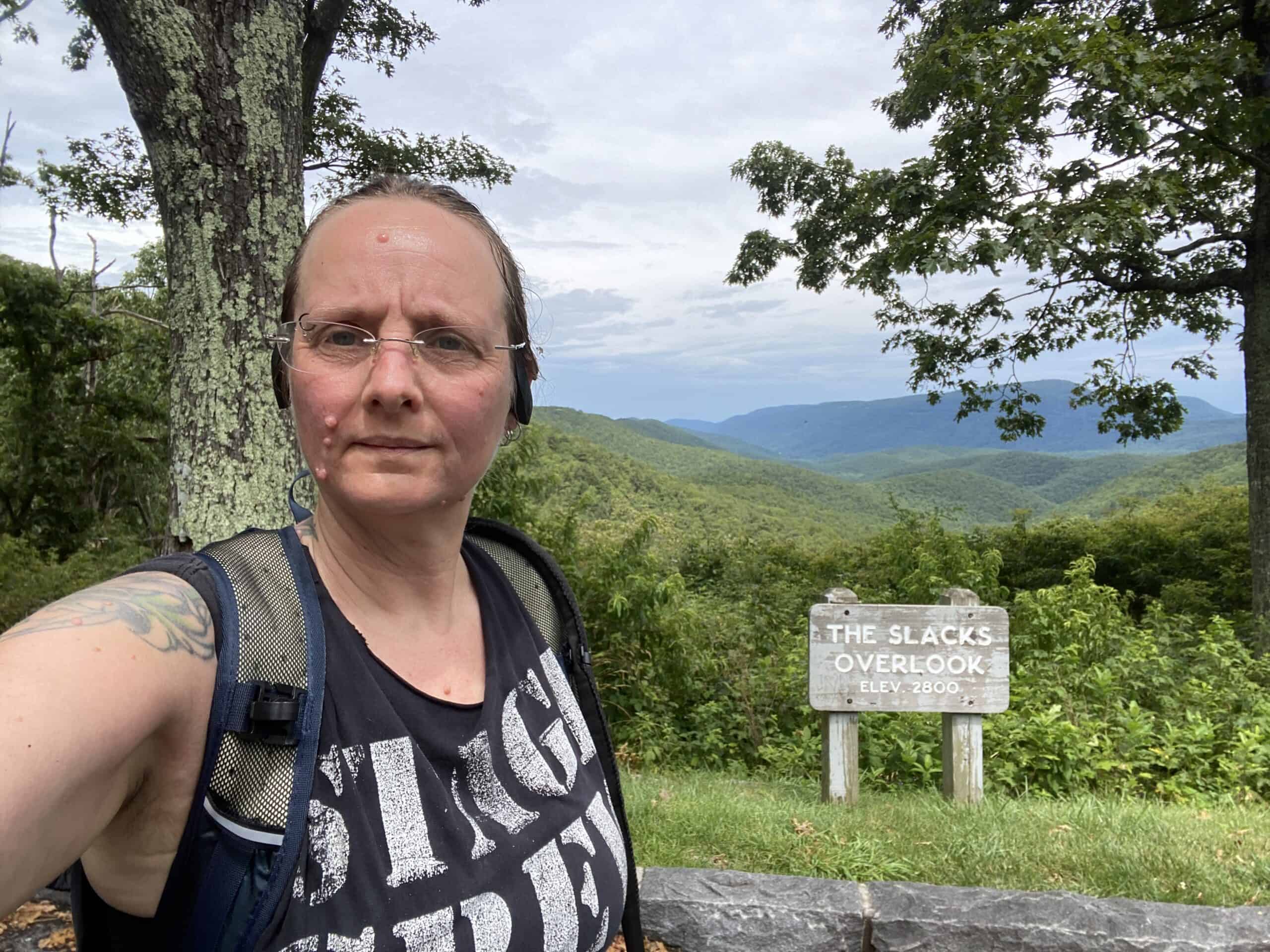
There’s a romantic idea floating around that hiking is all vibes: boots on dirt, sun through trees, problems left at the trailhead. And yes is of course the magic. But here’s the truth nobody puts on the inspirational posters: the trail doesn’t care about your intentions. Weather flips. Trails disappear. Ankles roll. Phones die dramatic deaths.
That’s why seasoned hikers swear by The 10 Essentials. Not because we’re paranoid. Because we like coming home.
This isn’t a gear-snob list. It’s a don’t-be-that-person list. If you carry these ten things, you’ve stacked the odds in your favor—even when the hike goes sideways.
Let’s get into it.
1. Navigation (Yes, Even on “Familiar” Trails)
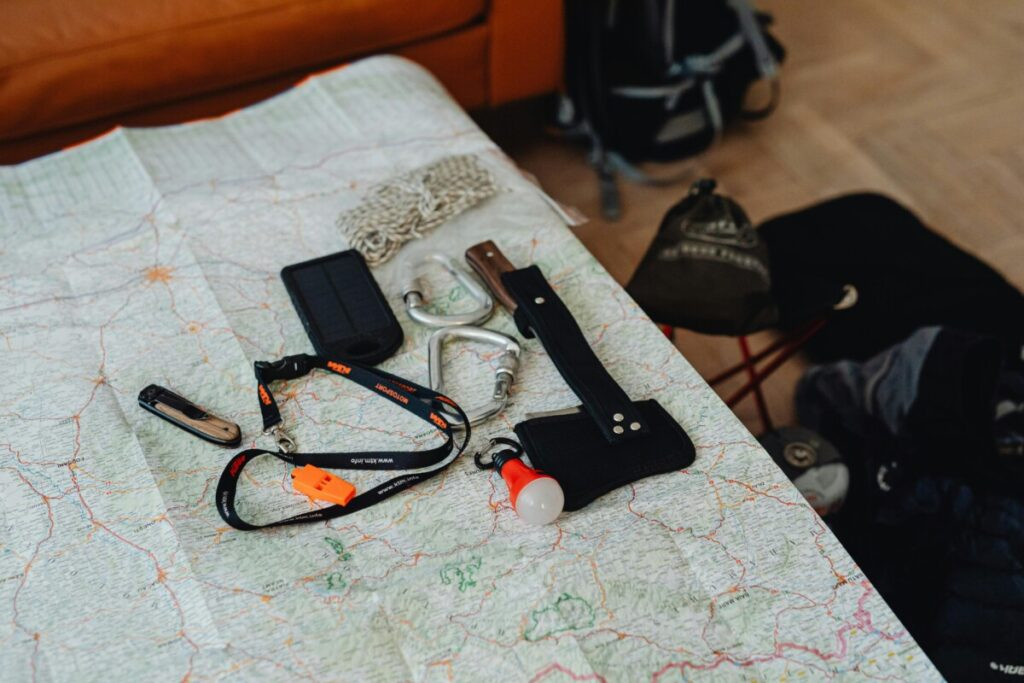
If your plan is “I’ll just follow the trail,” congratulations, you’ve placed blind faith in paint blazes and vibes. While I know the local park like the back of my hand and probably could walk it in my sleep, I am not taking that same chance in the mountains.
Carry a map of the area. A real one. The paper doesn’t lose signal or battery. Pair it with a compass and the basic knowledge of how to use it. Your phone GPS is a bonus, not a strategy.
Trails change. Snow hides markers. Fog turns confidence into confusion. Navigation keeps you oriented when the trail stops making sense.
Hard truth: getting lost usually starts with “I thought I knew where I was.”
2. Headlamp or Flashlight (Phones Don’t Count)
If your hike goes long, or something slows you down, darkness shows up without asking permission.
A headlamp keeps your hands free and your footing visible. It weighs almost nothing and lives quietly in your pack… until it becomes the MVP.
Phones die faster in cold, heat, or panic-scrolling. A dedicated light source doesn’t negotiate.
Rule of thumb: if you think you’ll be back before dark, that’s exactly when you need a headlamp. Even at my local park, which is just a few minutes from my house, that headlamp goes with me!
3. First Aid Kit (Small, Smart, Useful)
This isn’t about packing a full ER. It’s about handling the most common trail issues:
- Blisters
- Cuts and scrapes
- Twisted ankles
- Headaches or allergic reactions
A basic kit with bandages, blister care, antiseptic, pain relievers, and any personal meds can turn a bad moment into a manageable one.
Bonus points: knowing how to use what you carry. Gear without skill is just extra weight.
4. Extra Layers (Because Weather Is a Liar)
You checked the forecast. Cute. And yeah I’ve not always been prepared to be in the mountains because that weather can change fast.
Wind, rain, temperature drops… they don’t care what your app said.
Always pack:
- An insulating layer (fleece, puffy, wool)
- A rain shell or wind layer
Even in summer. Especially in shoulder seasons.
Hypothermia doesn’t require snow. It requires being wet, tired, and underprepared.
5. Extra Food (More Than You Think You Need)
Hiking burns calories like it’s mad about it.
Bring high-energy, easy-to-eat food:
- Nuts
- Bars
- Jerky
- Trail mix
- Electrolyte snacks
Pack more than your planned snack. Delays happen. Appetite changes. Blood sugar crashes are rude and immediate.
Trail wisdom: nobody has ever complained about carrying too much food, only about not carrying enough.
6. Water + a Way to Get More
Dehydration sneaks up quietly and wrecks everything.
Carry enough water for your hike plus extra. If you’re going longer or farther, bring a filter or purification method so natural water sources become backup, not temptation roulette.
Streams look innocent. Giardia is not.
Plan your water like it’s essential, because it is.
7. Emergency Shelter (No, Not “I’ll Just Walk Out”)
An emergency bivy, space blanket, or ultralight tarp can mean the difference between uncomfortable and dangerous if you’re forced to stop.
Injury. Weather. Exhaustion. Darkness. These things don’t ask your opinion.
Shelter traps heat, blocks wind, and buys you time. And time is everything in an emergency.
It packs small. It matters big.
8. Knife or Multi-Tool
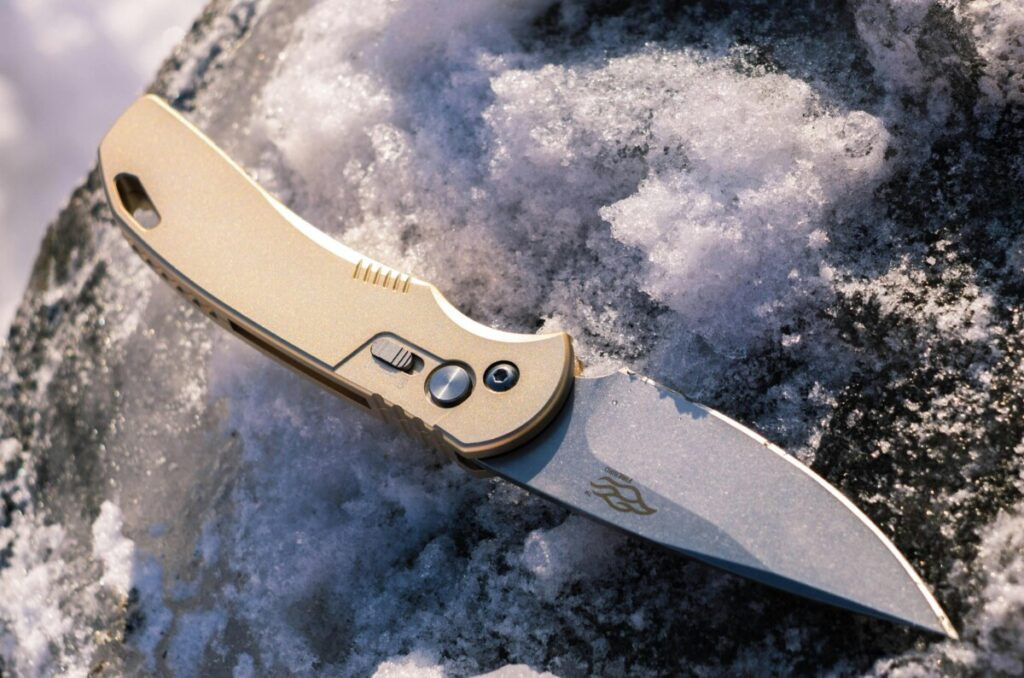
This isn’t about survival fantasies. It’s about utility.
A simple knife or multi-tool helps with:
- Gear repairs
- Food prep
- First aid needs
- Emergency improvisation
You don’t need a Rambo blade. You need something functional that you actually know how to use.
9. Fire (The Skill + the Tools)
Fire provides warmth, morale, and signaling. Even if you never plan to light one, you should always have the ability to do so.
Carry:
- A lighter or waterproof matches
- Fire starter (cotton + petroleum jelly, commercial tabs, etc.)
And know local regulations, fire bans are real and serious. Fire is a last-resort tool, not a casual camp vibe.
10. Sun Protection (Even on Cloudy Days)
Sun exposure doesn’t ask for permission and doesn’t care if it’s cool outside.
Bring:
- Sunscreen
- Sunglasses
- Hat or buff
Sunburn, heat exhaustion, and snow glare are preventable problems that ruin hikes and compound emergencies.
Quiet fact: sun damage stacks over time. Protect Future You.
The Real Point of the 10 Essentials
This list isn’t about fear. It’s about self-reliance.
Carrying the 10 Essentials means:
- You’re prepared, not paranoid
- Confident, not cocky
- Capable of handling the unexpected
Most hiking emergencies aren’t dramatic. They’re small problems that snowball because someone didn’t bring one simple thing.
You don’t need to be an ultralight minimalist or a gear maximalist. You just need to be intentional.
The trail gives freedom, but preparation gives you the freedom to enjoy it fully.
So pack smart. Hike boldly. And come home with stories, not regrets.

Leave a Reply