
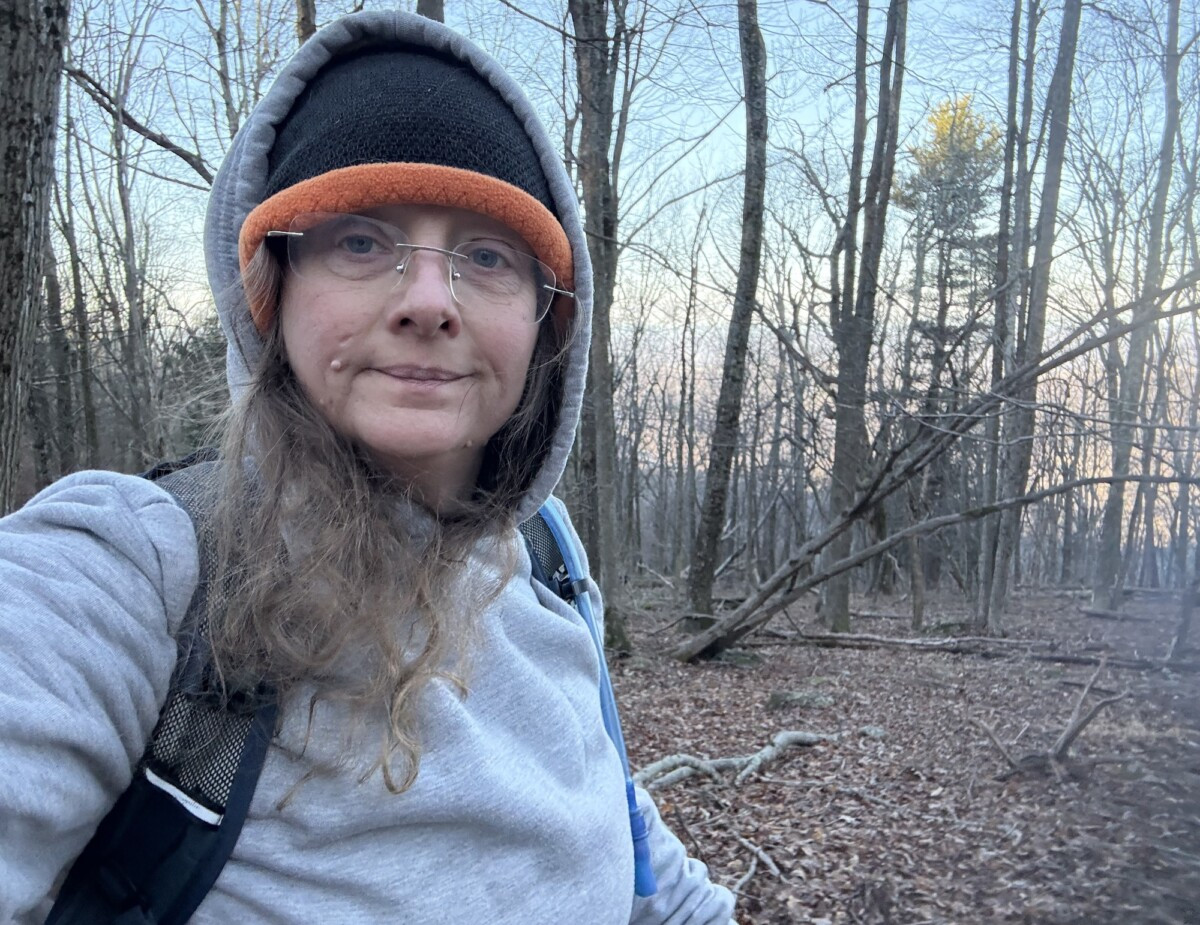
Let’s clear something up right out of the gate: Dressing for the weather is not an aesthetic. It’s not a flat lay. It’s not a vibe. It’s not a carefully styled photo taken five feet from the car. End of April in Virginia, and we have already seen fluctuations in temperatures. Most mornings start of cold and then heat up throughout the day, and the mountains are not going to be the same.
And the trail does not care how cute you look when the wind whips, the temperature drops, or the sun decides to go full feral at noon. Or it starts to rain when you’re in the middle of a 9-mile hike – ask me how I know!
If you’ve ever been too cold to enjoy the view, too hot to think straight, or soaked enough to question your life choices, you already know this lesson. If you haven’t yet, consider this your preemptive rescue.
This post is about function over fantasy. Being comfortable, regulated, and safe beats Pinterest-pretty every single time.
The Biggest Myth: “I’ll Just Check the Forecast”
The forecast lies. Or at least… it tells the truth for the parking lot.
Weather changes with:
- Elevation
- Tree cover
- Wind exposure
- Time of day
- Your pace and effort
A sunny 55° morning can turn into:
- Windchill on a ridge
- Sweat-soaked chill in shade
- Full sun heat trap by noon
If your clothing plan is based on the best-case scenario, you’re already behind. There is at least a 5 to 10 degree difference between where I live and the top of the mountain.
Dressing for the Weather = Dressing for Change
This is the core concept most people miss.
You are not dressing for how it looks when you start. You are dressing for:
- When you stop
- When the wind picks up
- When you sweat
- When the clouds roll in
- When you’re tired, hungry, or moving slower
That’s why layers matter more than outfits.
The Real Layering System (No, It’s Not Complicated)
Forget “cute hiking outfits.”
Think base → insulation → shell.
That’s it.
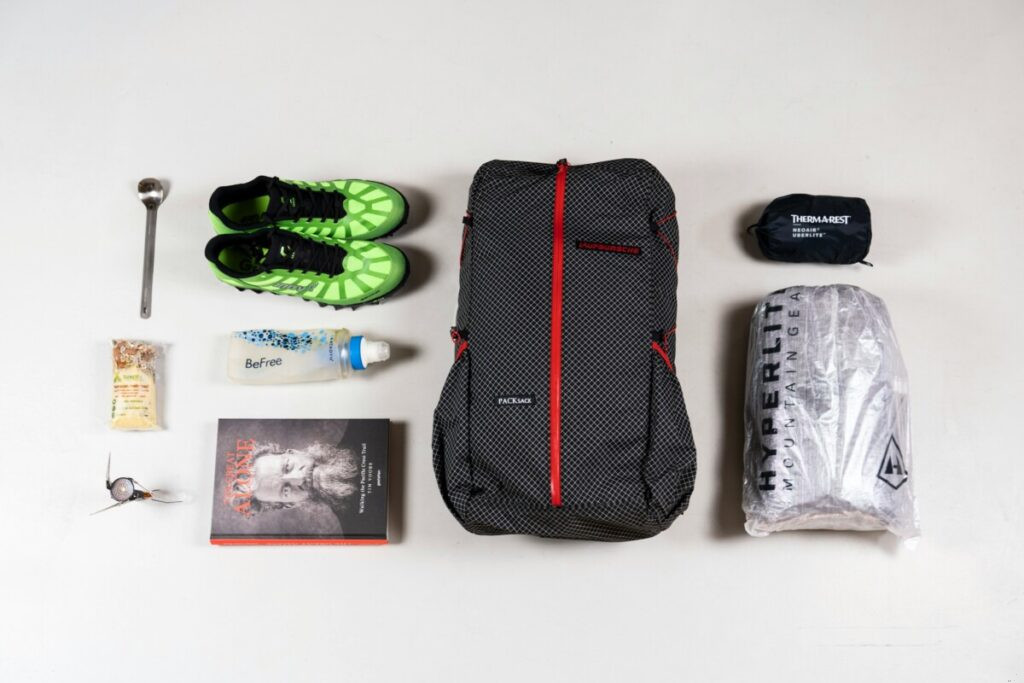
1. The Base Layer: Moisture Management (Not Warmth)
Your base layer’s job is simple: Move sweat away from your skin.
Cotton fails at this. Every time.
Once wet, it stays wet. Wet = cold. Even in summer.
Choose:
- Merino wool
- Synthetic performance fabrics
And yes, this applies year-round.
In cold weather, a damp base layer will chill you fast.
In hot weather, it traps heat and salt and makes everything worse.
Rule: if it holds moisture, it doesn’t belong on the trail. I got some fleece sweaters for when it’s too warm for a jacket, but cool enough that you need something. When I walk my dogs for 2 to 3 miles in the mornings, I sweat, and by the time I get home, I am a bit cold. So it is important to have another set of clothes in the car to change into!
2. The Insulation Layer: Heat When You Stop
This layer traps warmth. You’ll use it more when:
- You stop moving
- The wind picks up
- Clouds roll in
- You’re at higher elevation
Examples:
- Fleece
- Lightweight puffy
- Wool mid-layer
You may not wear it the whole hike, and that’s correct. It lives in your pack until you need it.
If you wait until you’re already cold, you waited too long.
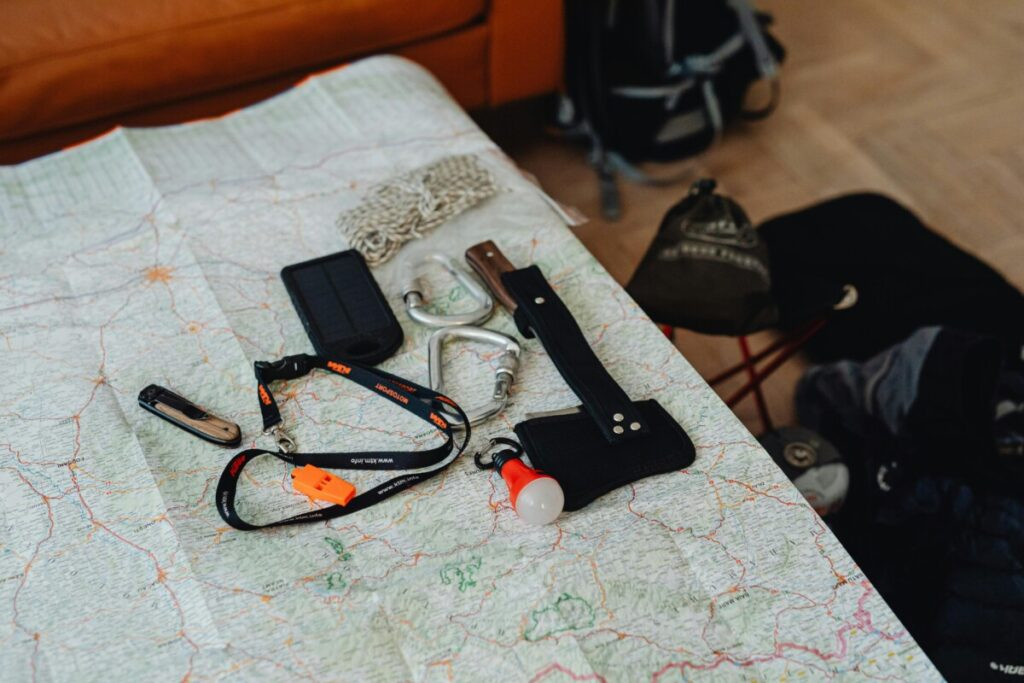
3. The Shell: Wind and Weather Protection
This is the unsung hero.
A shell:
- Blocks wind
- Sheds rain
- Traps warmth from inner layers
Even a thin shell can make a dramatic difference.
Wind steals heat faster than cold temperatures do. A breezy ridge can turn a pleasant hike into a teeth-chattering situation in minutes.
Hot take: carrying a shell “just in case” is non-negotiable.
Pants Matter More Than You Think
Legs get ignored because they’re “working anyway.” That logic falls apart when:
- Wind cuts through thin leggings
- Rain soaks your thighs
- Cold air hits after a steep climb
Trail-ready pants should:
- Dry quickly
- Allow movement
- Protect from brush and sun
In cooler weather, softshell or lined options shine. In hot weather, breathable, loose-fitting trail pants often outperform shorts, especially for sun, ticks, and brush. I recently upgraded to a pair of winter hiking pants instead of my leggings that I’ve been using. Those leggings are great for summer, though!
Accessories: Small Items, Big Impact
This is where comfort is won or lost.
Hats
- Sun hat for heat and glare
- Beanie or buff for warmth
You lose heat through your head faster than you think. Also, note that if it’s hunting season, and you should hike near those areas to be sure you have some orange on you.
Gloves
You don’t need bulky gloves, just something. Cold hands wreck morale and dexterity.
Socks
Blisters don’t care how strong you are.
Choose:
- Wool or synthetic
- Seam-minimal
- Properly fitted
Wet socks = hot spots = bad decisions.
“But I’ll Be Moving the Whole Time”
No. You won’t.
You’ll stop to:
- Check the map
- Drink water
- Manage dogs
- Wait for others
- Take photos
- Catch your breath
Movement generates heat. Stops reveal how prepared you actually are. Dress so you can add warmth quickly without digging like a raccoon through your pack.
Dressing for Heat Is Still Dressing for Safety
Hot weather doesn’t mean “less clothing.” It means strategic clothing.
Think:
- Light colors
- Breathable fabrics
- Sun coverage
- Ventilation
Exposed skin isn’t always cooler. Sunburn, dehydration, and heat exhaustion creep in quietly. Long sleeves, loose fits, and airflow often win over tanks and tiny shorts.
Weather Isn’t Just Temperature
People focus on the number. They forget the modifiers:
- Wind
- Humidity
- Precipitation
- Shade vs exposure
40° and dry is manageable.
40° and wet is dangerous.
80° in shade feels fine.
80° on exposed rock with no breeze is brutal.
Dress for conditions, not numbers.
The Confidence Test
Here’s a simple gut check before you leave the trailhead:
If I had to stop moving for 30 minutes right now, would I be okay?
If the answer is no, adjust.
Dressing for the weather isn’t about looking outdoorsy. It’s about staying regulated, adaptable, and safe when conditions change.
Pinterest won’t help you when:
- The wind slaps your confidence off a ridgeline
- The temperature drops faster than expected
- You’re wet, tired, and still miles from the car
Layers will.
So dress like someone who plans to finish the hike, not just start it.
Comfort is not weakness.
Preparation is not overkill.
And cute doesn’t matter if you’re miserable.

Leave a Reply